

Wayne Sedawie Expands Copper Bar Inventory as Interest in Physical Metals Grows
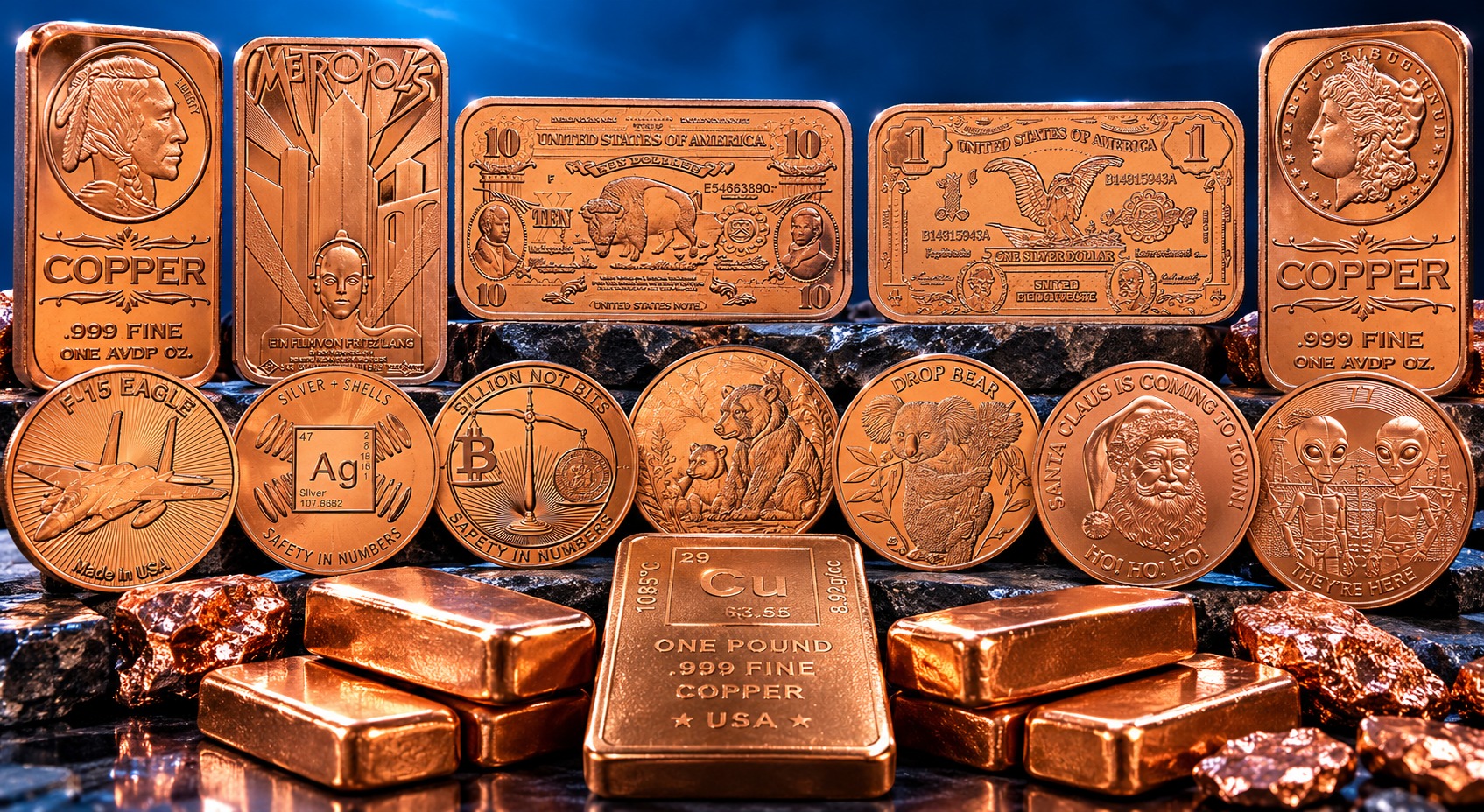
Coper .999 Bras and rounds
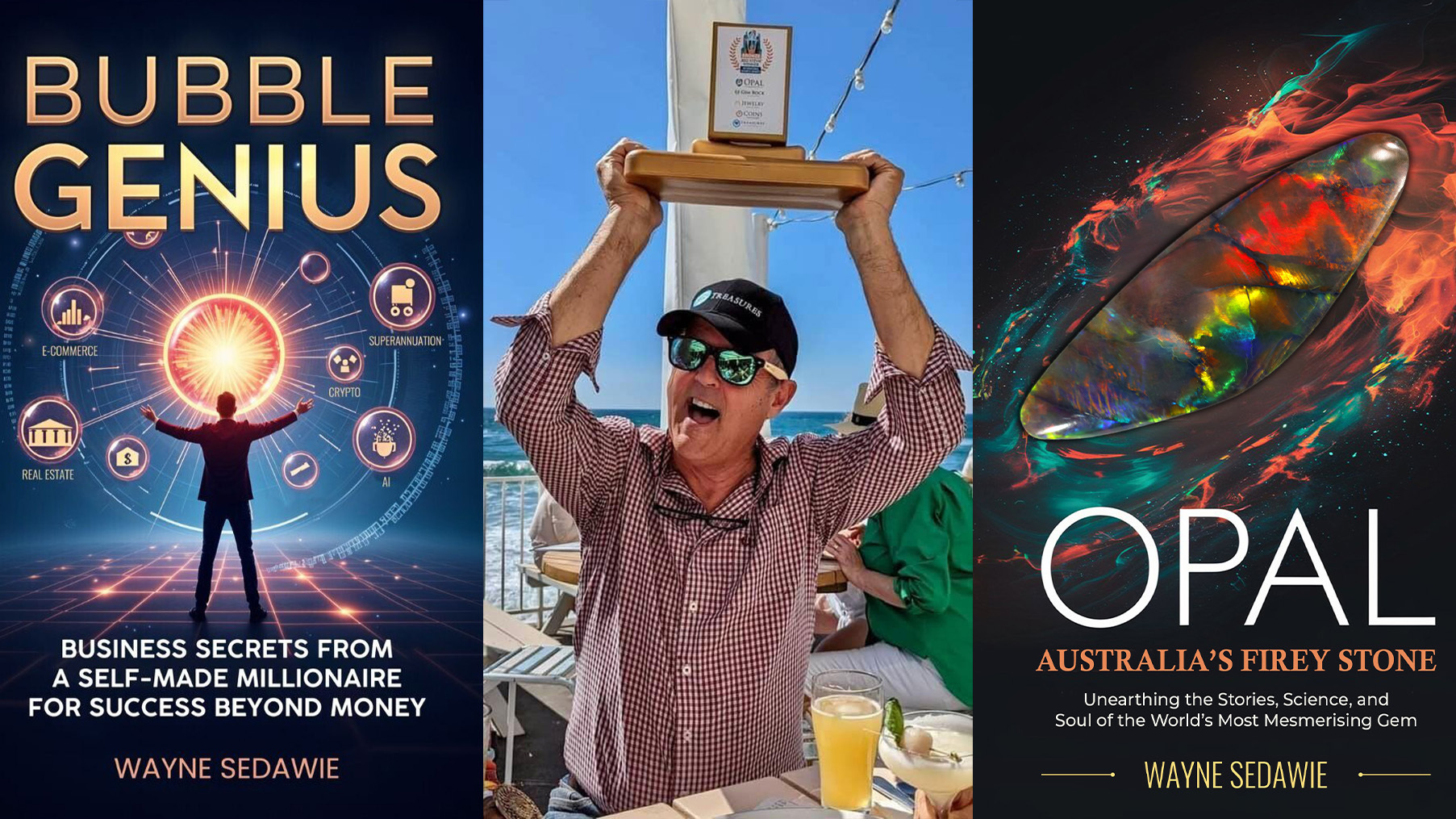
bubbles concept n opal fire
“Copper is attracting a different level of attention today, but buying physical metal requires an understanding of costs, premiums and resale market
Sedawie, whose experience in the metals industry dates back to 1978, has worked across gold collecting, gold mining operations, precious metals distribution and international online marketplaces. He became an approved Perth Mint distributor in 2007 and has also developed an interest in the changing market for physical copper bars and collectible rounds.
The expansion comes as copper demand is being closely watched across electricity networks, renewable energy infrastructure, electric vehicles and data centre development. However, Sedawie says consumers need to understand the difference between industrial commodity prices and the retail cost of finished copper products.
“Copper is attracting a different level of attention today, but buying physical metal requires an understanding of costs, premiums and resale markets. The underlying commodity price is only one part of the equation,” Sedawie said.
Industry Experience Informs Copper Strategy
Sedawie's interest in copper products predates the current attention surrounding the metal. In 2012, he purchased 1,000 US-minted Mayan copper bars, which took approximately a decade to sell.
He says the experience demonstrated how consumer demand for physical metal products can change over time and why inventory decisions require patience and an understanding of the market.
Sedawie now reports that he has secured 30,000 copper bars, with additional one-kilogram bars in production.
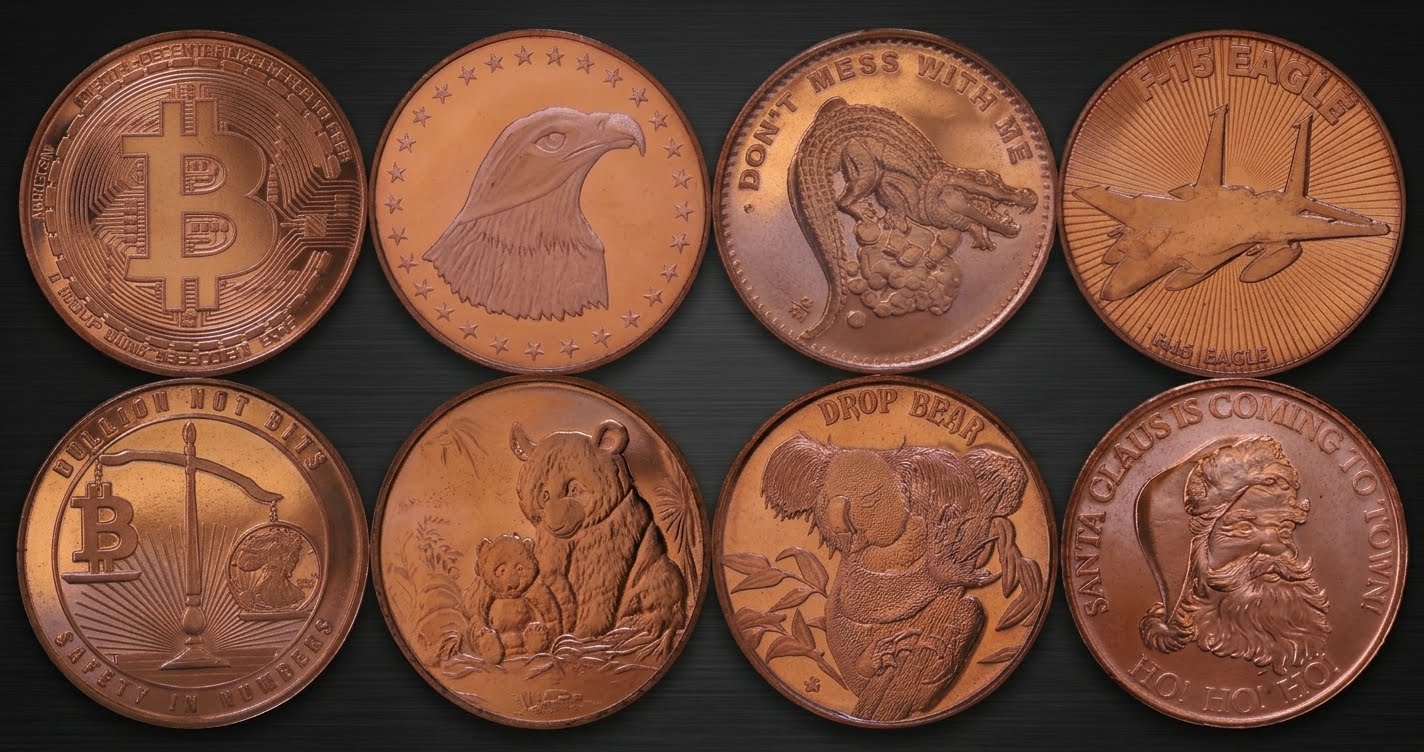
Copper bars and rounds are sold in different formats, weights and designs. Unlike investment-grade gold and silver bullion, many retail copper products carry fabrication and distribution costs that represent a substantial proportion of their purchase price.
Sedawie encourages buyers to compare total purchase costs, including premiums and delivery, and to consider potential resale prices before purchasing.
Silver Buying Experience Shapes Long-Term Approach
Alongside his work with copper, Sedawie has purchased silver monthly for years. He says the practice reflects a preference for a planned purchasing schedule rather than reacting to short-term market movements.
He has observed that rising silver prices can attract waves of new buyers, while falling prices often reduce interest. Some buyers subsequently return when prices rise again.
“People often become interested when prices are climbing, but stop buying when the market falls. A long-term approach starts with a budget and a system that you can maintain through different market conditions,” Sedawie said.
Regular purchasing, sometimes known as dollar-cost averaging, involves allocating a predetermined amount at regular intervals. It can help establish a disciplined buying routine, although it does not guarantee profits or protect buyers from losses.
Sedawie says this approach is consistent with the business principles outlined in his book, Bubble Genius: Business Secrets from a Self-Made Millionaire for Success Beyond Money, which explores interconnected income streams, systems and long-term strategy.
Understanding Physical Metal Costs
Sedawie says new buyers should distinguish between the market price of a raw commodity and the retail price of a finished product.
Physical metal products can include premiums for manufacturing, refining, packaging, transport, distribution and dealer margins. The difference between a dealer's selling price and buyback price can also affect the outcome when a customer decides to sell.
These costs can be particularly significant for smaller copper rounds, where manufacturing and design expenses may greatly exceed the underlying metal value.
Sedawie recommends checking product descriptions, stated weight and purity, seller credentials, delivery costs and transaction terms. He also cautions consumers against assuming that every copper bar or collectible round will appreciate in value.
Copper prices can fluctuate, and retail premiums may not be recovered on resale.
His message to prospective buyers is to understand the product and its economics before making a purchase.
About Wayne Sedawie
Wayne Sedawie is an Australian entrepreneur whose business experience dates back to 1974. His background includes gold collecting, gold mining company operations, precious metals distribution and international online auction businesses. He became an approved Perth Mint distributor in 2007 and is associated with Coins Auctioned and Gem Rock Auctions.
Sedawie is the author of Bubble Genius: Business Secrets from a Self-Made Millionaire for Success Beyond Money, which explores his approach to business systems, interconnected income streams and long-term strategy.
wayne j sedawie
Treasureauctions
+61 418 151 227
Visit us on social media:
LinkedIn
Instagram
Facebook
YouTube
TikTok
Exciting coper rounds
Legal Disclaimer:
EIN Presswire provides this news content "as is" without warranty of any kind. We do not accept any responsibility or liability for the accuracy, content, images, videos, licenses, completeness, legality, or reliability of the information contained in this article. If you have any complaints or copyright issues related to this article, kindly contact the author above.
